What are you looking for?
Why choose Admiral Electric Car Insurance?
We’re a Trailblazer
We’ve been awarded Defaqto’s Trailblazer award for innovation in electric car insurance – so you know you’re in good hands.
MultiCar discounts
We'll give you a MultiCar discount if you insure your other cars with us, whether they're electric vehicles or not!
Made for EV owners
From charging equipment to out of charge recovery, we cover what really matters to EV drivers.
What's electric car insurance?
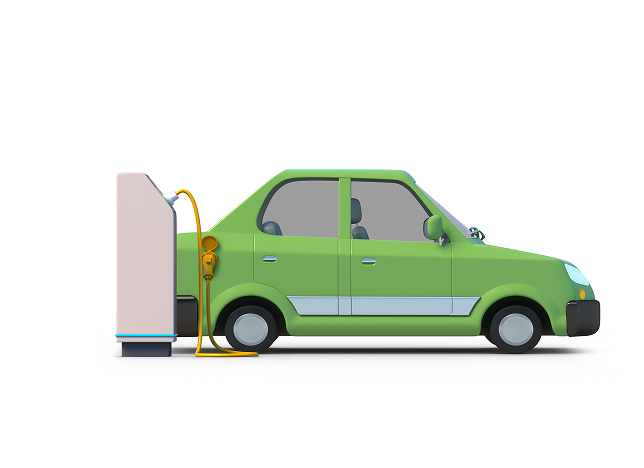
Electric car insurance is just car insurance, which has some features designed to protect your electric or hybrid vehicle.
Our comprehensive cover includes some handy benefits, like protection for your charging equipment and out of charge recovery if your EV runs out of battery on the road.
Looking for just the basics? Our Third party only cover will pay out to the other driver if you’re in an accident, but doesn’t include these features.
What does electric car insurance cover?
It covers everything your standard car insurance would. But our comprehensive electric car cover also includes these useful benefits!
If you drive an all-electric car, your policy will include out of charge recovery.
This helps you and your car get back on the road if it runs out of charge while you’re driving.
Plug-in hybrids and mild hybrids aren’t covered for out of charge breakdowns.
We’ve got you covered if your EV’s wallbox is damaged or stolen.
Plug-in hybrids and mild hybrids aren’t covered for wallbox protection.
Compare EV insurance cover levels
To help you choose the right level of cover, take a look at how they compare below.
Comprehensive cover
Battery cover
Charging cables
Out of charge recovery (doesn't include hybrids*)
Wallbox cover up to £1,000(doesn't include hybrids*)
Courtesy car
Uninsured driver promise
£5,000 Personal Injury cover
24-hour emergency helpline
Replacement lock cover, up to £500
Child car seat cover
Windscreen cover
New car replacement (if you're eligible)
Driving other cars (with conditions)
European cover for up to 90 days
Audio equipment cover (aftermarket)
Onward travel, up to £150
Personal belongings cover
Up to
£300
Up to
£300
Up to
£300
Personal belongings (campervans)
Up to
£500
Up to
£500
Up to
£500
Motor Legal Expenses
Roadside Breakdown cover
Third party cover
Third Party, Fire and Theft
Third Party Only
24-hour emergency helpline
Driving other cars (with conditions)
Battery cover
Charging cables
Courtesy car
Replacement lock cover, up to £500
European cover for up to 90 days
Audio equipment cover (aftermarket)
Windscreen cover
Motor Legal Expenses
Roadside Breakdown Cover
Out of charge recovery (doesn't include hybrids*)
Wallbox cover up to £1000 (doesn't include hybrids*)
Uninsured driver promise
£5,000 Personal Injury cover
Child car seat cover
Personal belongings cover
New car replacement (if you're eligible)
Onward travel, up to £150
If you're not sure what some of our car insurance terms mean, check out our car insurance jargon buster.
*Our out of charge recovery or wallbox cover benefits don’t cover plug in hybrids or mild hybrids. Head to our FAQ further down to learn more.
Why should I make the switch to electric?
Lower running costs
Once you’ve made the switch, the running and maintenance costs are lower – so you can save in the long run.
No need to worry about range
You might have heard about range anxiety, but the average EV has more than enough range for your daily journeys!
Speedy charging times
Whether you're charging at home or out on the road, you shouldn't have to wait too long to drive your ride.
What the experts say
Craig Codell, EV Product Manager
Making the switch to an EV can feel like a big decision. But don't worry if you get a little overwhelmed deciding what car's right for you and what insurance you need. Our goal is to make sure you feel supported every step of the way!

EV benefits platform
As part of your policy, you have access to some supercharged benefits from our friends at Zoom EV:
- Free credit on public charging stations
- Discounts on home chargers
- A free top-up on home energy plans
- Deals on car park bookings
zoom ev benefits
Are the benefits the same for hybrids?
Some of our comprehensive cover benefits apply to hybrids too, but not all of them.
Here’s a quick breakdown of the EV-based benefits that different kinds of electric cars can get.
Pure Battery Electric Vehicles (BEVS):
- Battery cover
- Charging cable cover
- Out of charge recovery
- Wallbox cover
Plug in Hybrids (PHEVs – charge via a cable):
- Battery cover
- Charging cable cover
Mild Hybrids (don’t charge via a cable):
- Battery cover
Add-ons for EV insurance
Want to take your cover to the next level? We have plenty of add-ons so you can tailor your insurance to suit your budget, needs and lifestyle.
Looking for other motor insurance options?

Car Insurance
Find out more about our standard car insurance and everything it includes.

MultiCar Insurance
Insure the whole family’s cars on one policy to save money and hassle.

What do I need to get a quote?
Let's get your EV the cover it deserves. Here's what you need to get a quote.
- Name
- Age
- Where you live
- Your job
- Driver's licence
- Contact information for you and any named drivers
- Registration number
- When you bought it
- How much it's worth
- Any modifications it's had
- Mileage
- What level of cover you want
Need to make a claim?
Check your cover
Check what you’re covered for, and the excess you’ll need to pay
Get your info ready
Have your policy number and details of what happened ready
Get in touch
Visit our make a claim page or log in to MyAccount to make a claim
Still not sure? Head to our claims FAQ page to find out more.
Read more about our customer's experiences
We care what our customers have to say - no matter what type of vehicle they insure with us!
EV resources and guides
Whether you’re new to the world of EVs or are a seasoned owner, we’ve got some handy guides for you.
Your guide to buying an EV
Road tax for EVs

Do electric cars need MOTs?
Your EV questions answered
Don't worry - we've got you covered!
Our comprehensive EV insurance covers different kinds of electric cars for different things.
All-electric cars that only use electricity (also known as battery-electric vehicles) are covered for:
- battery theft or damage
- charging cable theft or damage
- out of charge recovery
- wallbox replacement
Plug-in hybrids are covered for:
- battery theft or damage
- charging cable theft or damage
Hybrids that don’t need charging (also known as mild hybrids) are covered for:
- battery theft or damage
No, not necessarily! While some insurers offer specialist EV insurance, often standard car insurance will cover EVs - like ours.
Our standard car insurance looks out for electric car owners, with features like out of charge recovery and battery cover.
There are lots of different things we look at to work out the price of your car insurance. That includes:
- your age
- your job
- claims history
- the type of vehicle you own
- the cost and availability of spare parts for any repairs
Because electric vehicles tend to cost more to buy and repair, they can be more expensive to insure than fuel-powered cars.
Prices have come down though, as more people are buying EVs and repairs have become more common.
The government has recently announced that all new conventional petrol and diesel cars will be banned from being sold in 2030.
New hybrid cars will still be for sale until 2035. This aims to help ease the transition to Zero Emission Vehicles.
Vans of all fuel type (ICE, Hybrid and PHEV) will no longer be for sale after 2035.
That means more of us are going to be buying and driving electric cars soon.
Car manufacturers are already working on developing a new generation of cars, and we'll be seeing more of them on the road in the coming years!
Electric cars and vans are powered by electric motors. They use rechargeable batteries, rather than petrol or diesel fuel.
They can be charged with a charging cable plugged into a charging point at home, or at a public charging station.
It can take between 30 minutes to 12 hours to reach full charge, depending on lots of different factors.
If you're charging your car on the street, it's possible someone could trip over the cable - but don't worry.
If that happens and they're hurt, your policy is there to protect you. You just need to have made sure the cable was safe, visible and not a trip hazard while you were charging.
Your cable is covered if it came with your car or is a replacement from the manufacturer. Other cables aren't included.
The cost of fully charging an electric vehicle depends on its battery size. Most people charge their car at home and pay their energy supplier.
Some public charging stations are free, but you might need to pay for others. Rapid charging points are usually more expensive than regular charging points because they charge your battery faster.
Yes, if you're charging your EV at home.
How much it costs depends on how big your battery is, and how much you pay per unit of electricity.
It's worth shopping around for your electric provider to see who offers the best rates.
Yes, you do.
They used to be exempt but that changed on 1 April 2025.
- All news EVs registered after 1 April 2025 - need to pay £10 tax in the first year. This goes up to £195 from the second year onwards. It applies to all EVs, regardless of how much they cost.
- EVs registered between 1 April 2017 and 31 March 2025 - need to pay £195 per year.
- EVs registered between 1 March 2001 and 31 March 2017 - are in the new 'Band B' rate, which is currently set at £20 a year.
If you have an EV that was registered after 1 April 2025 and is worth over £40,000, you'll need to pay premium car tax as well. That comes to £425, which you'll need to pay yearly until the car is six years old.
Check out our in-depth guide on road tax for EVs.
To reduce the cost of buying an electric car, some manufacturers (like Renault and Nissan) let you buy the car and lease its battery separately.
The monthly lease usually costs less than two full tanks of fuel. That means you're not just saving money on running costs, but you're also doing a fair bit for the environment!
You should let us know when you take out your policy if you're leasing the battery. If the car is written off, we need to make sure the money for the car and its battery go to the right people.